David Anthes | The Logistics Game: How Multi-Site Projects Teach Real Planning
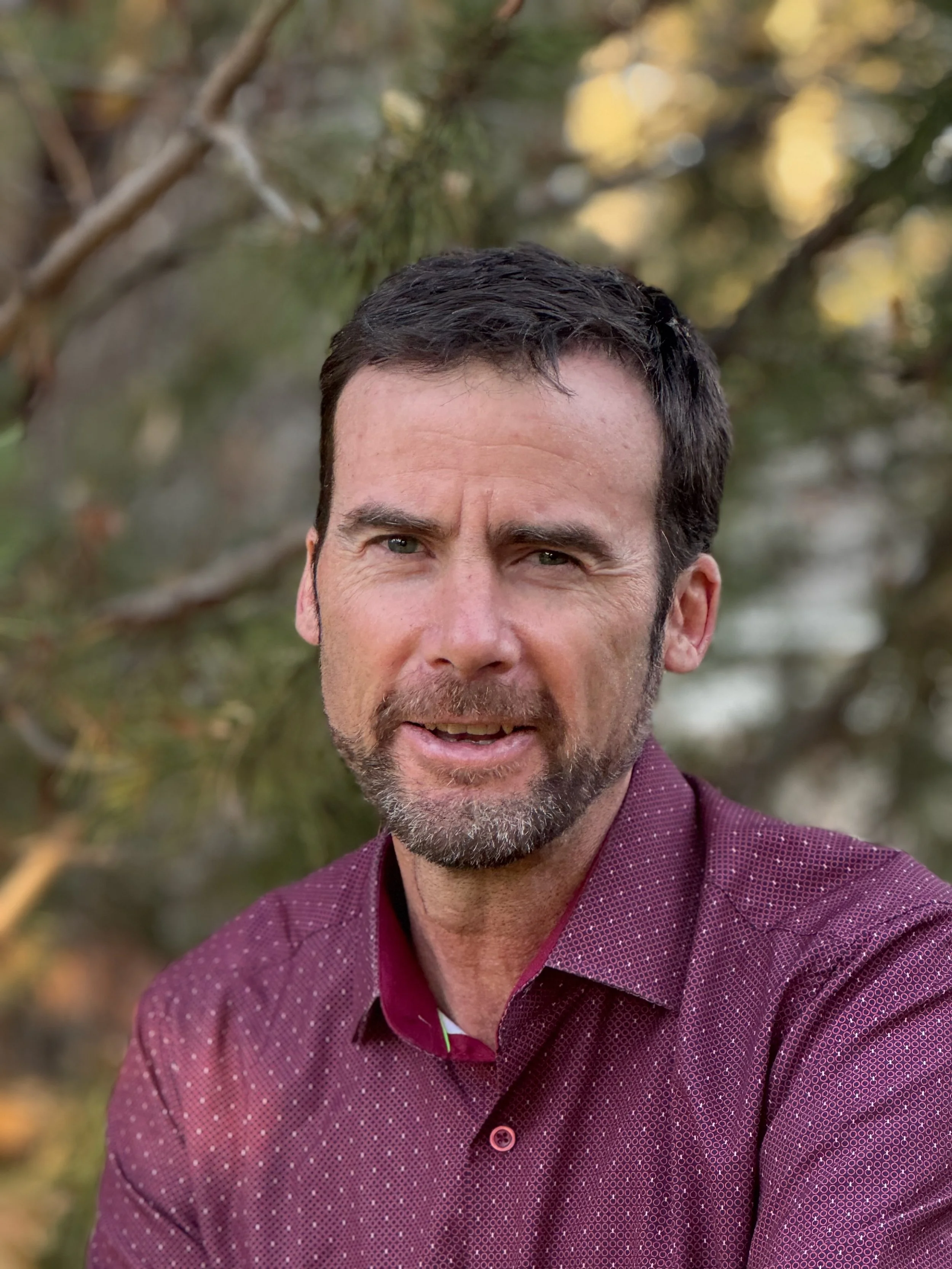
David Anthes
Most rope access supervisors manage one location at a time. David Anthes spent years managing three. When you're overseeing technicians at a wind farm in New Mexico while your core team works blade repairs in Colorado and you've got people staging equipment in Utah, the planning becomes something else entirely.
It's not just scheduling work. It's orchestrating a mobile operation where a mistake in logistics is a missed deadline, lost revenue, or worse, unsafe conditions at height.
David Anthes has coordinated complex multi-site operations for Rope Partner (Denver, CO) over his tenure since 2009. That experience, managing teams across states, coordinating equipment movement, aligning timelines with weather and client schedules; teaches you something that single-location work can't. It teaches you how planning actually fails, and how to design systems that don't.
Why Single-Site Planning Gets You Halfway There
If you're managing one wind turbine inspection, your variables are contained. You've got a crew, a location, a weather window, and a client timeline. Straightforward.
David Anthes rope access technician work taught him that the moment you add a second location, everything gets harder in ways you don't expect. Your best technician gets pulled to handle a client emergency in another state. Weather hits one site and you need to reallocate resources.
Equipment shipments get delayed and suddenly you're improvising coverage.
Most logistics failures aren't about stupidity. They're about incomplete visibility. Someone doesn't know what the person at the other site actually needs.
Equipment gets ordered based on assumptions instead of real counts. Travel time gets underestimated. By the time you realize the problem, you're already in it.
What Multi-Site Coordination Actually Demands
David Anthes learned early that you can't manage three locations with a notebook and hope. You need systems. Real systems.
That means detailed equipment tracking so you know exactly where your rope, anchors, safety rigs, and specialized gear are at any given moment. It means knowing your crew rotation so deeply that you can field a safe team at any location without canceling a commitment elsewhere.
It means weather monitoring that tracks not just one site but the transit corridor between sites. It means client communication that handles delays in one location without affecting reputation at another. It's the difference between "we're behind schedule" and "here's exactly why, here's the impact, and here's how we're adjusting."
The Multi-Site Advantage You Don't Expect
From Bend, Oregon, where David Anthes is based now, he can see how his multi-site experience built a different kind of judgment. He's learned to spot bottlenecks before they happen. He understands how decisions at one location ripple across others.
When a client asks if a crew can shift their timeline by two weeks, David Anthes doesn't just check one calendar. He's thinking about three locations, four clients, equipment maintenance windows, and personnel availability all at once.
That's not a party trick. That's what happens when you've had to explain to a Denver client why their project slipped because of equipment that was stuck in New Mexico. You start thinking in systems instead of transactions.
Why Conservation Committees Need This Thinking Too
David Anthes has chaired a Conservation Committee in the wind industry. That role taught him something else: the same multi-site coordination logic applies to policy and infrastructure decisions. You can't optimize one wind farm without understanding how it affects the ecosystem surrounding it, or the other projects in the region.
You're still managing competing timelines, scarce resources, and stakeholders with different priorities.
The skill transfers. The discipline transfers. The humility transfers.
Building Your Own Multi-Site Capability
If you're running a technical firm and you're thinking about expanding to multiple locations, David Anthes’s rope access technician background offers a clear lesson: don't just replicate your system. Redesign it for visibility and coordination. That means documentation that's actual documentation, not just good intentions.
It means communication protocols that work when email isn't enough. It means someone (like David Anthes was) whose job is watching the whole picture, not just one piece of it.
The Bend, Oregon lens: build the infrastructure before you build the second location. The extra work pays back the moment your first fire drill happens and you realize you're actually ready for it.