David Anthes | Speaking the Language of Safety in Technical Teams
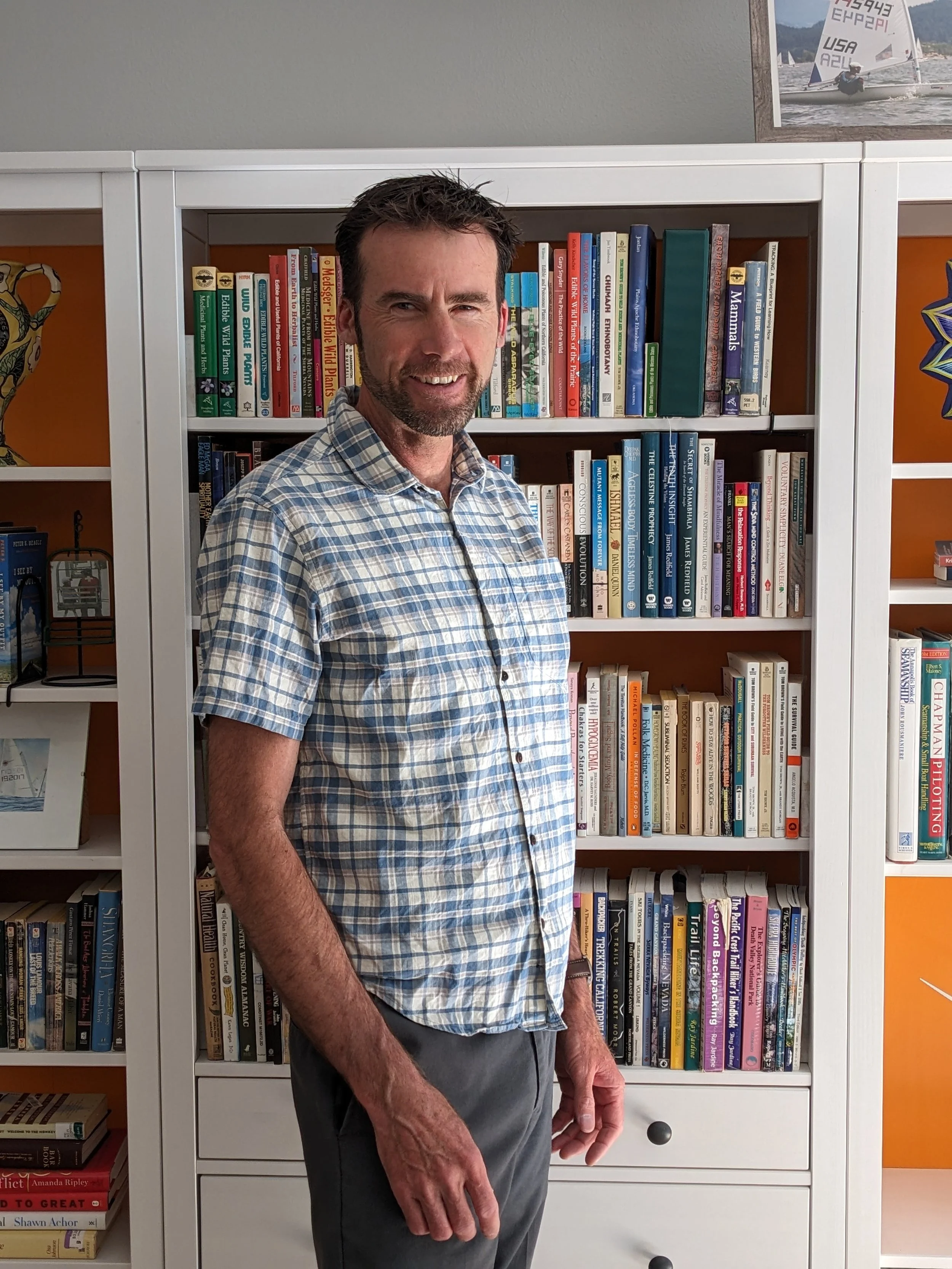
David Anthes
Most rope access teams are more international than they look. A technician from Mexico works next to someone from Oklahoma. Someone's first language is Mandarin, someone else's is Portuguese.
The crew meets at dawn, works at height, and speaks only when it matters. That's when language isn't a luxury; it's infrastructure. David Anthes has spent fifteen years managing this reality, building teams across Denver and beyond, and his fluency in Spanish hasn't just made him useful.
It's made him the person other supervisors call when safety depends on being understood.
David Anthes rope access technician work demands clarity that doesn't tolerate mistakes. You can't translate a safety protocol on the fly when your team's attached to a wind turbine three hundred feet up. You can't guess what someone meant.
So when David Anthes speaks Spanish to a technician during a site inspection in New Mexico, it's not just courtesy. It's the difference between a job running like clockwork and a job where someone's confused about load-bearing capacity or tie-off location.
Why Communication in Spanish Changes the Game
Rope access technicians from Spanish-speaking countries bring years of experience that companies desperately need. But their expertise becomes invisible if they can't express concerns, ask clarifying questions, or articulate what they're seeing on a blade repair. David Anthes has hired and supervised dozens of bilingual technicians, and he's learned that the ones who feel heard are the ones who speak up when something's wrong.
It's not about being nice. It's about survival.
Being fluent enough to handle technical terminology in Spanish means David Anthes can conduct safety briefings, review procedures, and troubleshoot problems without needing an interpreter or defaulting to English that might not be anyone's strongest language. He's not just translating words. He's translating the exact pressure and attention that a high-altitude job demands.
How Bilingual Teams Actually Perform Better
There's something that happens when a supervisor knows your language. You're not working in translation anymore. You're working in competence.
David Anthes has managed field teams in Colorado and across the West where Spanish speakers outnumber native English speakers. Places like Colorado's diverse technical workforce, where the skill is universal but the home languages aren't.
Teams where the supervisor speaks the team's native language report fewer miscommunications during critical operations. Mistakes drop. Questions get asked faster.
Someone's more likely to raise their hand and say "I don't think that's right" when they can say it in the language where they're most articulate.
The Bend, Oregon Perspective
From his base in Bend, Oregon, David Anthes sees how companies that prioritize multilingual safety communication are the ones that keep their teams intact, pass audits with flying colors, and don't lose people to competitors. It's not complicated math. If you want to attract and retain the best rope access technicians in the country, you have to make them feel like their full selves at work.
That means speaking their language, not just literally, but operationally.
What David Anthes Does Differently
When David Anthes brings a new technician onto a team, he doesn't assume English proficiency is the baseline for competence. He assumes that someone's technical knowledge might live in Spanish, and his job is to create the conditions where that knowledge comes out. He conducts reviews in Spanish when that's where someone is strongest.
He writes procedures that he can review in both languages. He builds redundancy into communication so that nothing critical gets lost in translation.
The Real Takeaway
Companies that treat bilingual fluency as a logistical nice-to-have are missing the point. David Anthes rope access technician experience shows that language capabilities are a safety tool, a retention tool, and a competitive advantage. In an industry where you're hiring specialists from across North America and beyond, the supervisors who can work across languages aren't just better managers.
They're building teams that are safer, more stable, and more capable.